Madonna del Sasso
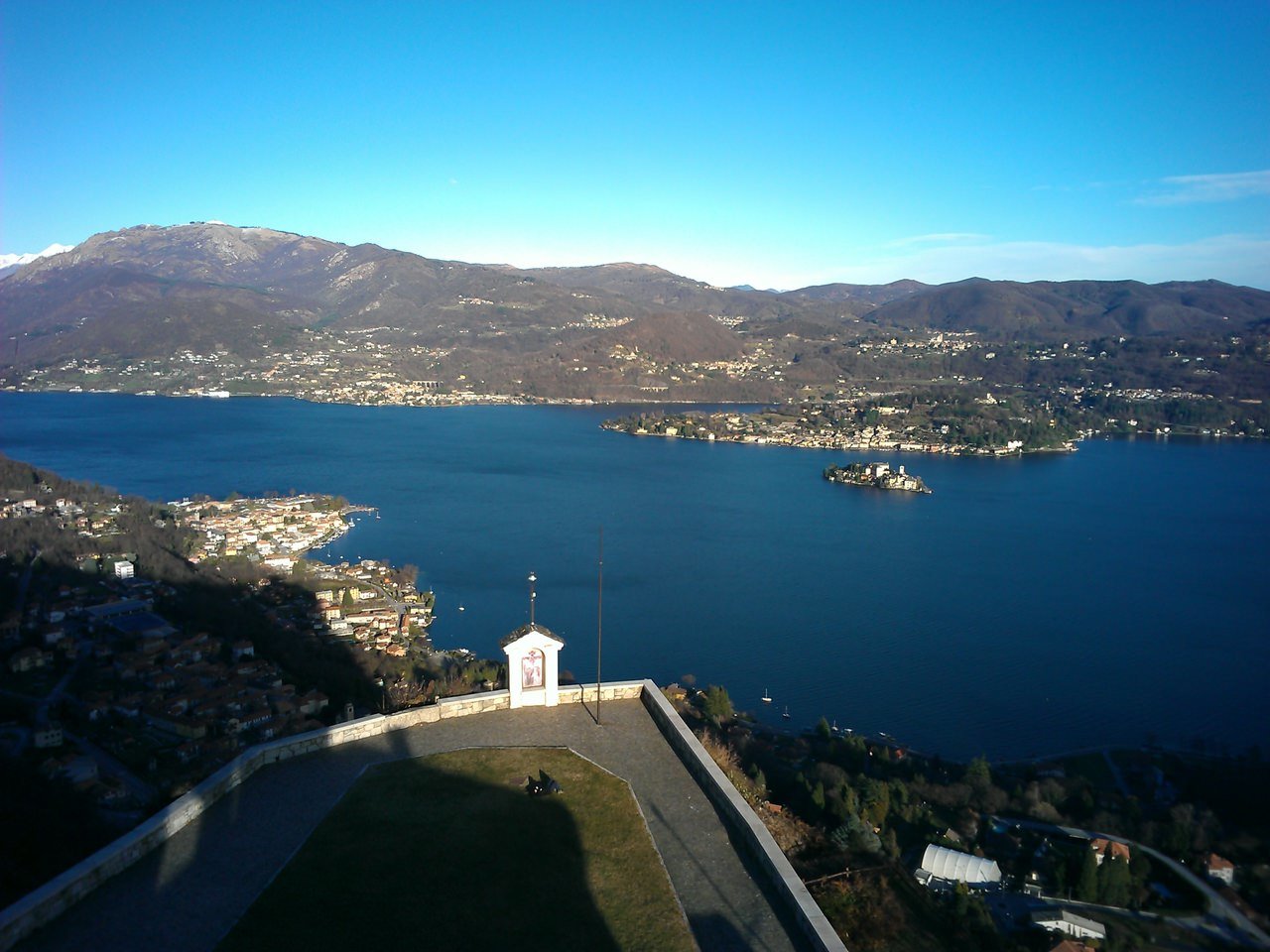
On the western shore of Lake Orta, Madonna del Sasso takes its name from the 18th-century sanctuary built on a granite spur, offering a spectacular view over the lake.
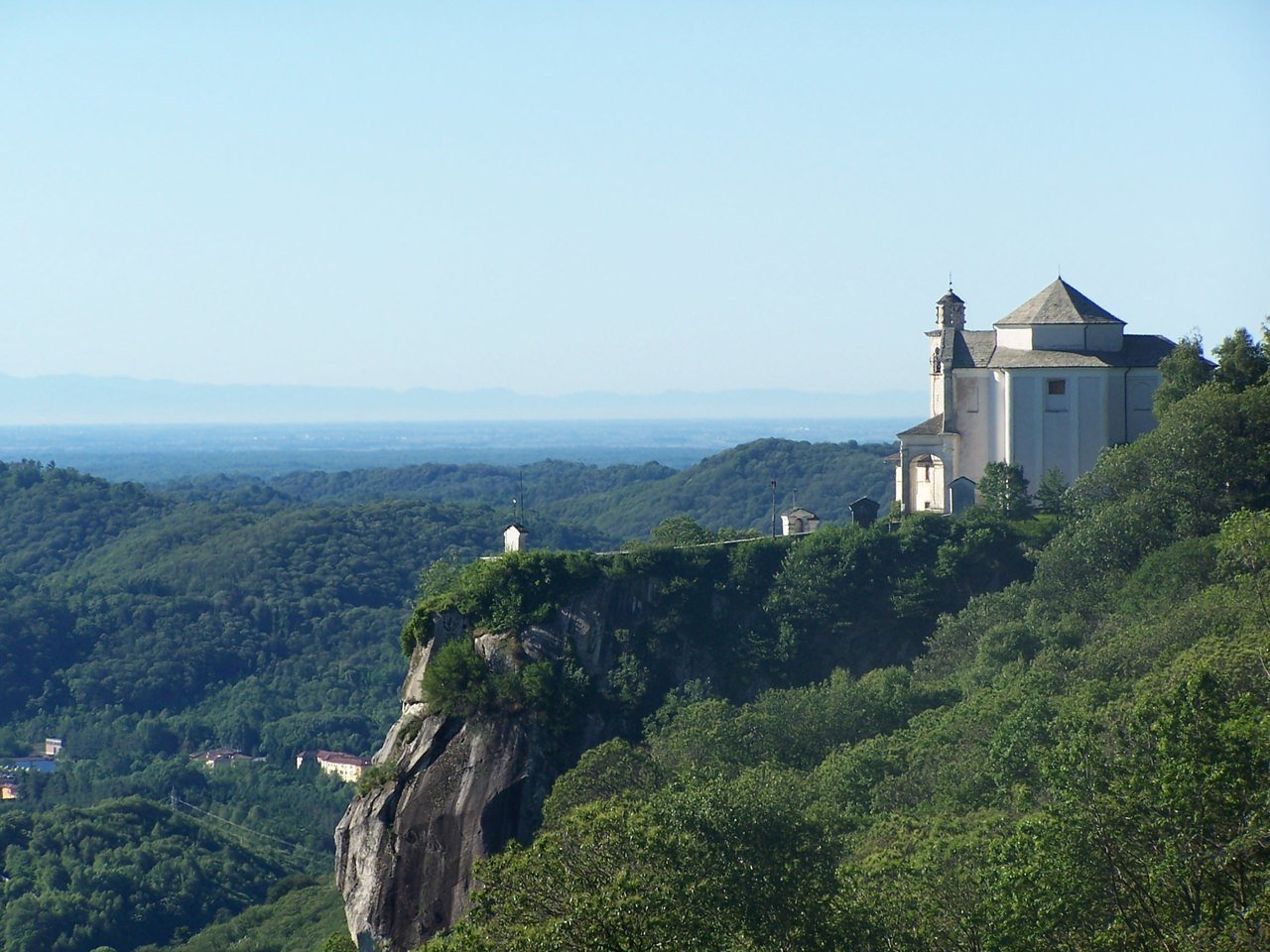
The municipality of Madonna del Sasso lies on the western shore of Lake Orta. Its name derives from the sanctuary built between 1730 and 1748 on a granite spur directly above the lake.
It is made up of the hamlets of Artò, Boleto, Centonara and Piana dei Monti, and took the name Madonna del Sasso in 1928 with the union of the municipalities of Boleto and Artò. Overlooked by the Briasco and Avigno mountains, it sits in a "middle ground" — not quite mountain, not quite hill.
The hamlets already existed around the year 1000, part of the episcopal fief of Novara like the whole lakeshore. For many centuries the male population emigrated to Switzerland and France to work, mainly as cooks, shoemakers and masons.
From the mid-19th to the mid-20th century the main activity became granite quarrying, with several quarries on the slopes below the sanctuary; it ceased definitively in 1980.
Madonna del Sasso boasts female firsts: the first woman Consul, Lucia Bonetta (1776), and one of the first woman mayors, Fanny Crespi, in the 1950s. During the Second World War the area was an important theatre of the Resistance: Boleto hosted the command of the Brigata Rocco, and the partisans' sacrifice is remembered by memorial stones across the area.
- The 18th-century sanctuary high above the lake
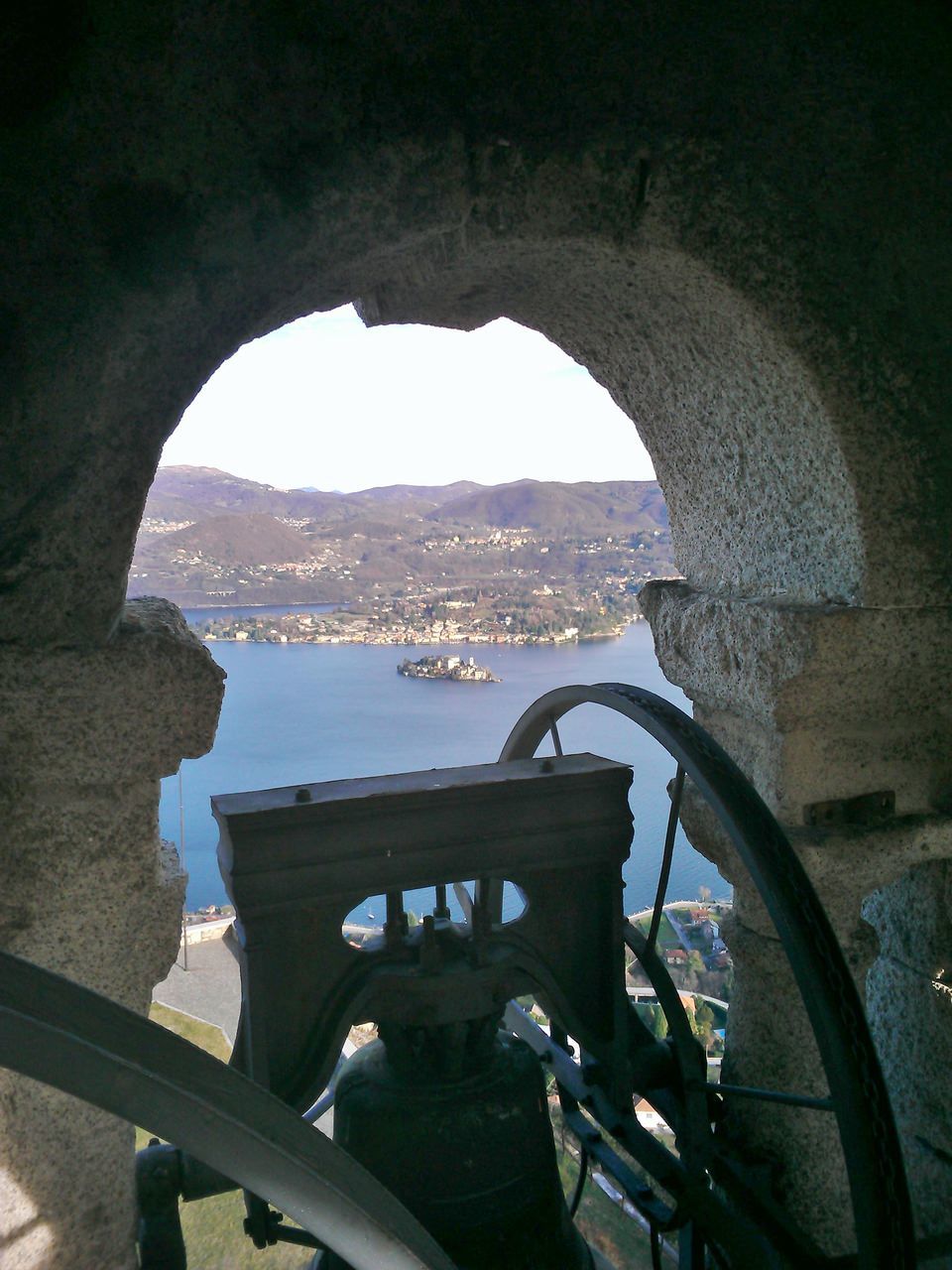
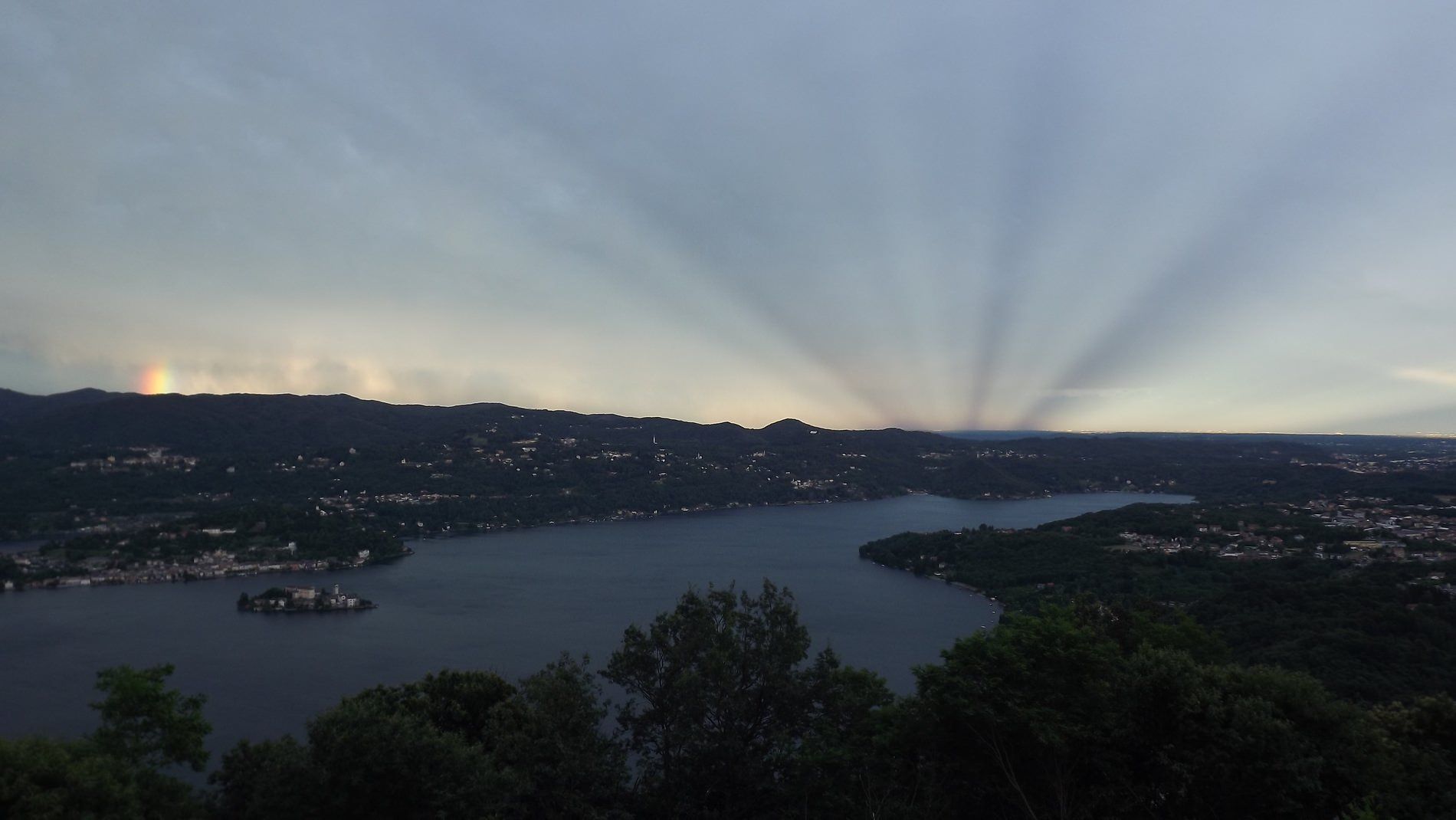
- Panoramic view of San Giulio Island
- Tradition of granite quarrying
- The hamlets of Artò, Boleto, Centonara and Piana dei Monti